
Corporate Investments Driving Technology Innovation Centers

Corporate Investments Driving Technology Innovation Centers

Corporate investments continue to play a pivotal role in the establishment and growth of technology innovation centers worldwide. In 2026, this trend is marked by significant funding directed towards research and development hubs, aimed at fostering breakthrough technologies and accelerating business growth. These centers serve as a nexus where innovative ideas meet practical application, bridging gaps between scientific discovery and market needs. The rising importance of these innovation hubs reflects an increasingly competitive global market in which companies strive to maintain technological leadership. The year 2026 stands out as a milestone for many corporations expanding their innovation footprints, driven by an urgent need to address rapidly evolving technology demands and sustainability goals. Understanding the dynamics of corporate investment in this area provides valuable insight for businesses, investors, and policymakers interested in the future of technology advancement and economic development.

Read Also: Innovative Social Media Marketing Ideas to Boost Your Brand

Importance of Corporate Investment in Innovation

Corporate investment is fundamental to the longevity and success of innovation centers. These financial commitments enable centers to attract top talent, provide state-of-the-art facilities, and support experimental projects that might be too risky for traditional funding sources. For example, investments in artificial intelligence have led to the acceleration of machine learning models and automation technologies that are reshaping industries worldwide. Similarly, funding in biotechnology has enabled breakthroughs in personalized medicine and sustainable agricultural solutions. Investment streams typically focus on emerging technologies such as artificial intelligence, Internet of Things, biotechnology, and sustainable energy solutions. Through strategic funding, corporations not only stimulate technological progress but also position themselves as leaders in their respective industries by staying at the forefront of innovation. Moreover, the return on investment in these centers often transcends immediate financial gains, including enhanced intellectual property portfolios, improved operational efficiencies, and stronger brand reputations.

Business and Legal Considerations

When corporations invest in technology innovation centers, they must navigate complex business and legal frameworks. Structuring investments involves careful consideration of intellectual property rights, partnership agreements, and compliance with regulatory standards that vary by region and industry. For instance, clear intellectual property (IP) policies are crucial to protect innovations developed within these centers while ensuring equitable benefit sharing among corporate partners and external collaborators. Risk management is equally important to address uncertainties related to technology development timelines and market adoption. Additionally, corporations often establish clear governance models to oversee the innovation process, ensuring that investment outcomes align with strategic business objectives. This may include the formation of joint steering committees or innovation councils to oversee project portfolios and allocate resources effectively. These considerations are essential to creating an environment conducive to sustainable innovation and commercial success, minimizing disputes, and fostering trust between stakeholders.

Analysis of MANN+HUMMEL Innovation Center Launch

A notable example of corporate investment in 2026 is the launch of the MANN+HUMMEL Innovation Center. This facility exemplifies a strategic approach to fostering technology development within a corporate framework. It focuses on air filtration and environmental sustainability technologies, addressing growing global demands for cleaner air and ecological responsibility. The center leverages cross-disciplinary teams and advanced research methodologies to expedite the commercialization of new products. Its strategic importance lies not only in advancing filtration technology but also in catering to increasing regulatory pressures worldwide to reduce emissions and improve air quality. The launch has been heralded as a significant step towards integrating sustainability with cutting-edge innovation, thereby differentiating MANN+HUMMEL in competitive markets such as automotive, industrial, and environmental sectors.

Technology Focus Areas Within Innovation Centers

The MANN+HUMMEL center concentrates on several key technology areas including clean air systems, filtration innovations, and material science advancements. These focus areas reflect both environmental imperatives and market opportunities. For example, novel filtration materials under development offer greater efficiency and longevity, directly impacting product performance and customer value. The integration of smart sensors into filtration systems allows real-time monitoring and predictive maintenance, enhancing reliability for end users. By prioritizing these technologies, the innovation center aligns with broader corporate goals related to sustainability and competitive differentiation. This targeted approach to technological development helps optimize resource allocation and accelerates time-to-market for new solutions, equipping the company to respond promptly to evolving environmental regulations and customer expectations.

Profiles of Leading Corporate Innovation Centers

Across the globe, several corporate innovation centers have emerged as leading examples of successful investment in technology development for 2026. These centers are typically backed by multinational corporations or consortiums of businesses, pooling resources to maximize technological breakthroughs. For instance, the Siemens Next47 innovation center focuses on digital industries and automation, collaborating extensively with startups and academic institutions to drive open innovation. Similarly, the Samsung Advanced Institute of Technology emphasizes semiconductor advancements and artificial intelligence research. Such centers often incorporate open innovation models, inviting collaboration with startups, universities, and research institutes to diversify knowledge and accelerate innovation. By fostering these collaborative ecosystems, corporations harness a broader range of expertise and accelerate the commercialization of technologies, while startups gain access to mentorship and capital.

Potential Market Outcomes and Growth

The advancements emerging from these innovation centers have tangible market implications. New technologies frequently lead to product innovations that can disrupt existing markets or create entirely new ones. For example, innovations in battery technology developed in corporate labs have paved the way for more efficient electric vehicles, transforming the transportation industry. For businesses, this translates into enhanced competitiveness, expanded product portfolios, and increased revenue streams. The commercial success of such innovations often stimulates further investment and attracts talent to these hubs. For the broader economy, investment in innovation centers stimulates job creation, supports high-tech industry growth, and encourages the development of infrastructure suited to advanced technology sectors. However, challenges such as market acceptance, supply chain constraints, and regulatory hurdles remain and must be navigated carefully.

Impact on Local and Global Technology Ecosystems

Corporate investments in innovation centers significantly influence both local and global technology ecosystems. Locally, they drive economic development by attracting skilled professionals and fostering startup activity. For example, established innovation hubs in cities like San Francisco and Berlin have become magnets for tech talent, startups, and venture capital funding. On a global scale, these centers contribute to the diffusion of new technologies, shaping competitive dynamics across industries and regions. By serving as hubs of technological excellence, innovation centers facilitate knowledge exchange and build networks that are critical for sustaining long-term innovation cycles. Nevertheless, disparities in regional innovation capacities pose challenges, making corporate investment a catalyst for bridging gaps through partnerships and remote collaboration tools.

Expert Commentary on Investment Trends

Experts note that the trend toward increased corporate investment in innovation centers is likely to continue through 2026 and beyond. This is driven by the growing recognition that technology leadership is essential to corporate resilience and growth. Analysts highlight the importance of aligning innovation investments with clear strategic objectives and market needs. Dr. Helena Ross, a technology strategy consultant, emphasizes, “Successful innovation depends not only on funding but also on agile governance and interdisciplinary collaboration that adapt quickly to changing technology landscapes.” They also emphasize the value of interdisciplinary collaboration and adaptive governance structures to navigate the evolving technological landscape. Such insights offer practical guidance for stakeholders aiming to maximize the impact of their investments in technology innovation and ensure sustainable returns.

Conclusion

The landscape of technology innovation centers in 2026 is profoundly shaped by strategic corporate investments. These financial commitments enable the development of cutting-edge technologies and foster environments where innovation can thrive. From targeted projects like the MANN+HUMMEL Innovation Center to the broader ecosystem effects seen globally, corporate funding is a key driver of technological progress and business growth. As the technological and regulatory environment continues to evolve rapidly, corporations face challenges including managing intellectual property, aligning with sustainability goals, and ensuring effective collaboration across diverse teams. Understanding the business, legal, and strategic considerations of these investments provides essential context for stakeholders engaged in technology development. Looking ahead, continued corporate involvement combined with adaptive strategies will be integral to sustaining innovation and competitiveness in a rapidly evolving marketplace, making 2026 a pivotal year in this ongoing transformation.

Innovative Social Media Marketing Ideas to Boost Your Brand

Innovative Social Media Marketing Ideas to Boost Your Brand

Social media continues to be an essential avenue for businesses aiming to amplify their brand presence and foster meaningful engagement with their audience. As digital landscapes evolve rapidly, staying ahead with innovative yet practical strategies is crucial for brands wanting to cut through the noise and build lasting connections. Implementing a well-crafted social media marketing idea not only increases visibility but also strengthens brand loyalty and drives conversions by tailoring content and campaigns to meet the unique expectations of different platforms and target groups. From startups to established enterprises, creative and strategic social efforts help brands thrive in competitive online spaces by building awareness, trust, and engagement at scale.

Overview of Social Media Marketing

Social media marketing revolves around leveraging platforms like Facebook, Instagram, LinkedIn, Twitter, and TikTok to reach and interact with potential customers. Core principles include creating engaging content, fostering conversations, and carefully targeting demographics to maximize campaign impact. A robust social media strategy combines organic and paid tactics to drive traffic, increase brand recognition, and generate leads. It also involves ongoing monitoring and optimization based on audience feedback and analytics. Successful social media marketing requires a deep understanding of audience behaviors, platform trends, and messaging techniques that resonate authentically with followers.

Content Types That Engage Audiences

The types of content that resonate most on social media platforms vary by audience and platform but generally include visuals such as images and videos, infographics, live streams, stories, and user-generated content (UGC). Authentic storytelling that highlights real experiences helps brands connect emotionally, while interactive elements like polls, quizzes, and question stickers encourage active participation. For example, Instagram Stories with polls can gather instant feedback, while TikTok’s short videos benefit from creative, entertaining formats that encourage sharing and trend participation. Incorporating diverse content formats caters to different user preferences and keeps the audience engaged over time.

Popular Platforms and Their Strengths

Each social media platform has distinct features and user demographics, making it vital to tailor marketing strategies accordingly. Facebook offers a broad reach with powerful targeting options ideal for both B2C and B2B brands. Its advertising platform allows precise demographic, interest, and behavior-based targeting, making it suitable for driving conversions and lead generation. Instagram excels with visual storytelling through photos, Reels, and Stories, making it perfect for lifestyle, fashion, and food industries where aesthetics are key. LinkedIn is the premier platform for professional networking and B2B marketing, allowing for thought leadership, industry-specific content, and recruitment outreach. Twitter’s strength lies in timely, concise communication and trend engagement, valuable for news dissemination and brand voice building. TikTok’s algorithm favors creative short video content, providing opportunities for viral reach among younger audiences and encouraging innovative campaign formats. Understanding these platform strengths helps marketers allocate resources effectively and craft campaigns optimized for each channel’s unique audience and content consumption habits.

Creative Campaign Ideas That Work

Successful social media campaigns often combine creativity with clear objectives and audience insight. Interactive campaigns such as challenges, contests, or hashtag movements invite audience participation and sharing, amplifying reach organically and fostering community around the brand. Collaborations with influencers or brand ambassadors help tap into authentic networks and build trust with target audiences more effectively than traditional ads. Story-driven campaigns that evoke emotions and align the brand with social causes can deepen connections with values-driven consumers, enhancing brand reputation and loyalty. Additionally, personalization through targeted ads and tailored content supports engagement and conversion goals by speaking directly to users’ interests and needs. Brands can also experiment with user-generated content campaigns that encourage customers to share their experiences, increasing authenticity and broadening reach.

Examples of Successful Campaigns

One prominent example is the ALS Ice Bucket Challenge, which harnessed viral user participation to raise awareness and funds for a cause, demonstrating the power of social engagement and shareability. Another is Spotify Wrapped, which provides personalized user data in engaging formats, boosting brand loyalty and encouraging widespread social sharing. Fashion brands frequently leverage influencer collaborations on Instagram Reels to showcase product versatility in lifestyle contexts, tapping into influencer creativity and credibility. Additionally, brands like Dove have successfully run campaigns focused on real beauty standards, aligning storytelling with social impact to foster strong emotional connections. These campaigns demonstrate that creativity combined with platform-savvy execution generates significant impact and lasting brand impressions.

Measuring Social Media Marketing Success

Tracking the effectiveness of social media efforts involves analyzing various metrics such as engagement rates (likes, comments, shares), click-through rates, conversion rates, follower growth, and brand sentiment analysis. Setting clear key performance indicators (KPIs) aligned with specific campaign goals helps marketers focus efforts and measure success accurately. Analytics tools native to platforms like Facebook Insights, Instagram Analytics, and LinkedIn Analytics provide valuable data for understanding audience behaviors and content performance. Meanwhile, third-party solutions like Hootsuite, Sprout Social, or Buffer offer comprehensive reports to compare performance across channels and optimize strategies. Regularly reviewing these analytics enables brands to adjust content types, posting schedules, and targeting parameters to improve overall results and maximize ROI.

Using Paid vs Organic Tactics

A balanced mix of paid and organic tactics typically yields the best results in social media marketing. Organic content helps establish the brand voice and community engagement by fostering genuine interactions and building trust over time. Paid promotion, on the other hand, enhances visibility by targeting specific demographics more precisely and accelerating campaign reach, which is particularly valuable for launching new products or time-sensitive promotions. Combining both approaches allows marketers to test different content and audience segments, learn from data-driven insights, and make smarter investments in advertising budgets. Additionally, paid tactics can support retargeting strategies to nurture leads captured from organic campaigns, creating a cohesive customer journey.

Future Trends in Social Media Marketing

As social platforms continue evolving, marketers must stay ahead of trends such as the integration of augmented reality (AR) filters, enhanced social commerce capabilities, the dominance of short-form video content, and the rise of niche community platforms. AR filters provide immersive user experiences that can increase engagement and brand interaction. Social commerce enables consumers to shop directly through platforms, shortening the path from discovery to purchase and increasing conversion rates. The growing popularity of short-form videos on TikTok, Reels, and similar formats reflects changing consumer preferences toward quick, entertaining content. Meanwhile, niche community platforms offer opportunities to reach highly engaged, interest-based audiences, enabling more personalized marketing approaches. Adapting campaigns to include these elements will likely become standard practice to maintain engagement levels and drive sales in competitive digital environments.

Preparing for Emerging Social Platforms

Experimentation with emerging platforms like Clubhouse and BeReal, which offer unique interaction formats such as audio conversations and spontaneous sharing, helps brands discover early adopter audiences and develop fresh content styles. These platforms emphasize authenticity and real-time engagement, encouraging brands to be agile and innovative in their approach. Staying open to new social media innovations and monitoring the evolving preferences of target demographics allows marketers to remain relevant and capture opportunities before platforms become saturated. Early experimentation can also inform content strategies that translate well across multiple channels, driving sustained social media relevance over time.

Conclusion

Incorporating an innovative social media marketing idea can markedly elevate a brand’s digital presence when carefully tailored to platform characteristics and audience preferences. By combining creative campaigns with data-driven insights and adapting to emerging trends, brands can foster meaningful engagement and sustainable growth. Marketers who prioritize experimentation, strategic planning, and continuous learning are well-positioned to maximize the potential of dynamic social media landscapes and build loyal communities that support business objectives in the long term.

Why Branding Is More Than Just a Logo

Why Branding Is More Than Just a Logo

When I first started working with businesses, I noticed a recurring pattern. Many business owners believed that branding started and ended with a logo. They would spend weeks perfecting colors, shapes, and typography, thinking that once the logo was done, their brand was complete.

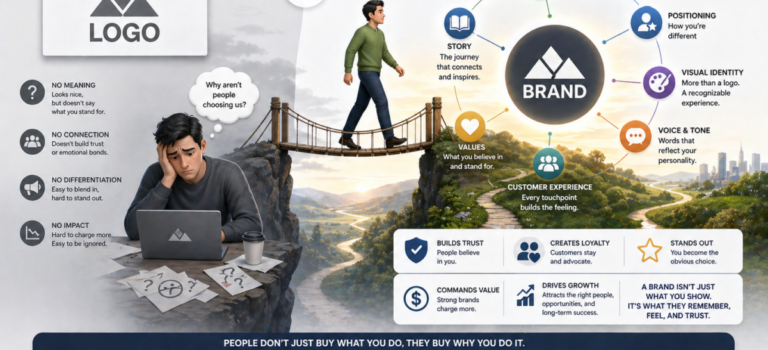
But over time, I realized something important. A logo is just a small piece of a much bigger picture. Branding is not about what your business looks like, it is about how people feel when they interact with it.

What Branding Really Means

Branding is often misunderstood as a visual identity. While visuals do play a role, they are only the surface. True branding is about perception. It is how people recognize, remember, and trust your business.

When someone interacts with your brand, they are not just seeing your logo. They are experiencing your tone, your message, your values, and your consistency. Branding is the emotional connection that forms between a business and its audience.

In my experience, strong brands are not just seen, they are felt. People remember how a brand makes them feel more than how it looks.

The Role of Identity in Branding

There is a big difference between visual identity and brand identity. Visual identity includes elements like logos, colors, and fonts. Brand identity goes much deeper.

It includes:

  • The way you communicate with your audience
  • The tone of your content
  • The personality your brand expresses
  • The values you stand for

A business with a strong brand identity speaks consistently across all platforms. Whether it is a website, social media, or customer service, the voice feels the same.

Consistency is what builds recognition. And recognition is what builds trust.

Branding as a Customer Experience

Branding is not something that exists only in design files. It lives in every interaction a customer has with your business.

Think about the customer journey:

  • The first time someone discovers your brand
  • The moment they visit your website
  • The way they read your content
  • How they are treated when they reach out

Each of these touchpoints contributes to the overall brand experience.

A strong brand creates a seamless experience. Everything feels connected and intentional. A weak brand feels fragmented, as if each part was created separately without a clear direction.

This is why branding is so powerful. It shapes how people perceive your business before they even decide to buy from you.

Why a Logo Alone Is Not Enough

A logo is important, but it cannot carry your brand on its own. Without strategy, a logo is just a visual symbol without meaning.

I have seen many businesses invest heavily in logo design but struggle to attract customers. The problem is not the logo itself, but the lack of clarity behind it.

A logo does not communicate:

  • Your brand story
  • Your value proposition
  • Your unique positioning
  • Your emotional appeal

Without these elements, even the most beautiful logo will fail to make an impact.

This is where many businesses go wrong. They focus on appearance instead of substance.

Read also : How Branding and Design Transform Your Business

The Business Impact of Strong Branding

When branding is done right, the impact goes far beyond aesthetics. It directly affects business performance.

Here are some of the key benefits I have observed:

  • Stronger Trust
    People are more likely to trust a brand that feels consistent and professional.
  • Higher Customer Loyalty
    When customers connect emotionally with a brand, they are more likely to return.
  • Better Differentiation
    In competitive markets, branding helps you stand out without competing on price.
  • Increased Perceived Value
    A strong brand allows you to position your product or service as premium.

Branding is not just about attracting attention. It is about building relationships that last.

Key Elements of a Strong Brand Strategy

If branding is more than just a logo, then what actually makes a strong brand?

From my experience, it comes down to several key elements:

  • Clear Positioning
    You need to know exactly where your business stands in the market.
  • Defined Audience
    Not everyone is your customer. Strong brands speak to specific people.
  • Consistent Messaging
    Your message should remain clear and aligned across all platforms.
  • Emotional Connection
    People make decisions based on emotions, not just logic.
  • Storytelling
    Every brand has a story. The way you tell it matters.

When these elements come together, branding becomes powerful. It stops being just a visual layer and becomes a strategic asset.

Common Branding Mistakes

Even with the best intentions, many businesses make avoidable mistakes when it comes to branding.

Some of the most common ones include:

  • Inconsistency
    Using different tones, styles, and messages across platforms
  • Copying Competitors
    Trying to imitate others instead of building a unique identity
  • Lack of Strategy
    Designing visuals without a clear brand direction
  • Ignoring Customer Perception
    Focusing on what the business likes instead of what the audience needs

These mistakes may seem small, but over time they weaken the brand and make it harder to build trust.

Conclusion

Branding is much more than just a logo. It is the foundation of how your business is perceived, experienced, and remembered.

A logo may be the first thing people see, but it is not what makes them stay. What truly matters is the story you tell, the experience you create, and the consistency you maintain.

From what I have learned, businesses that invest in branding as a complete system are the ones that grow sustainably. They do not just attract customers, they build relationships.

If there is one thing worth rethinking, it is this. Your brand is not just what people see. It is what they feel, remember, and trust.