Japanese cuisine is often recognized for its ingredients and flavors, but the dining experience also depends heavily on how food is presented. The arrangement of dishes, choice of tableware, colors, textures, and seasonal ingredients can all influence how a meal is perceived.
Food presentation in Japan is not simply about making a dish look attractive. It can reflect the season, highlight the characteristics of an ingredient, and create a connection between the meal and its surroundings.
For travelers, understanding this aspect of Japanese cuisine can make dining experiences more meaningful. A meal can become an opportunity to appreciate not only what is being served but also why it has been presented in a particular way.
The Importance of Presentation in Japanese Cuisine
Presentation plays an important role in Japanese culinary traditions.
Rather than treating appearance as something separate from flavor, Japanese cuisine often considers the visual experience part of the meal itself.
Balance between food and tableware
The plate or bowl is often selected to complement the food placed on it.
The shape, color, texture, and size of tableware can influence how the ingredients appear.
A simple dish may be served on a plate with subtle patterns, while a more elaborate meal can involve several different pieces of tableware.
Creating visual balance
Japanese food presentation often emphasizes balance.
The arrangement of ingredients can consider color, height, shape, and negative space.
Instead of filling every part of a plate, leaving areas of open space can make individual ingredients more noticeable.
This approach allows the food itself to remain the focus.
Related Article: The Art of Japanese Food Plating and Seasonal Culinary Aesthetics
Seasonality as Part of the Dining Experience
Seasonality is one of the defining characteristics of Japanese food culture.
Ingredients and presentation can change throughout the year, allowing meals to reflect the current season.
Spring
Spring is often associated with delicate colors, fresh vegetables, young plants, and seasonal flowers.
Food presentation during this period may incorporate lighter colors and ingredients that symbolize renewal.
The visual character of spring cuisine can therefore feel noticeably different from dishes served during colder months.
Summer
Summer dining can emphasize refreshing ingredients and lighter preparations.
Cold dishes, seasonal vegetables, seafood, and colorful garnishes can create a visual impression of freshness.
Tableware may also contribute to this feeling, with glass or lighter-colored ceramics sometimes used to create a cooler appearance.
Autumn
Autumn provides a particularly rich range of colors and ingredients.
Mushrooms, pumpkins, root vegetables, fish, and other seasonal products can appear in dishes.
Warm earth tones and natural motifs can complement the atmosphere of the season.
Winter
Winter cuisine often focuses on warming and substantial foods.
Hot pots, soups, seafood, root vegetables, and other hearty preparations can become more prominent.
The presentation may also use darker or more subdued colors that create a sense of warmth and depth.
The Art of Japanese Plating
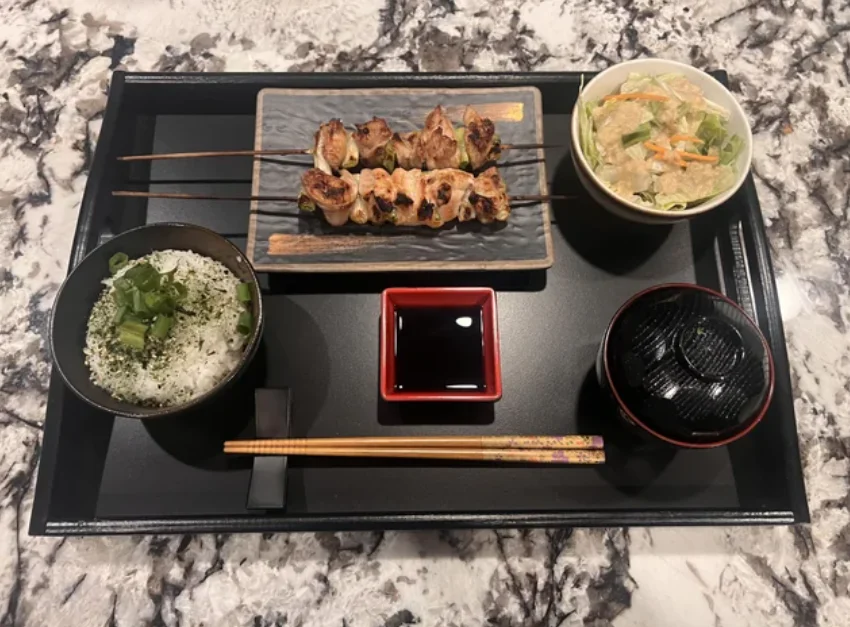
Japanese plating involves more than arranging food neatly on a plate.
Different elements can be positioned to create a sense of movement and balance.
Color
Color can help make a dish visually appealing.
Red, green, yellow, white, and other natural tones can be combined to create contrast.
Seasonal garnishes can provide additional color without overwhelming the main ingredients.
Shape
The shape of ingredients and tableware can also influence presentation.
Round bowls, rectangular plates, irregular ceramic surfaces, and other forms can create different visual effects.
This variety helps prevent every dish from appearing identical.
Texture
Texture is not limited to the food itself.
A rough ceramic plate, smooth lacquerware bowl, wooden serving board, or woven basket can add another visual layer to the dining experience.
The relationship between the food and the surface underneath it can make even a relatively simple dish feel distinctive.
Japanese Tableware and Dining Atmosphere
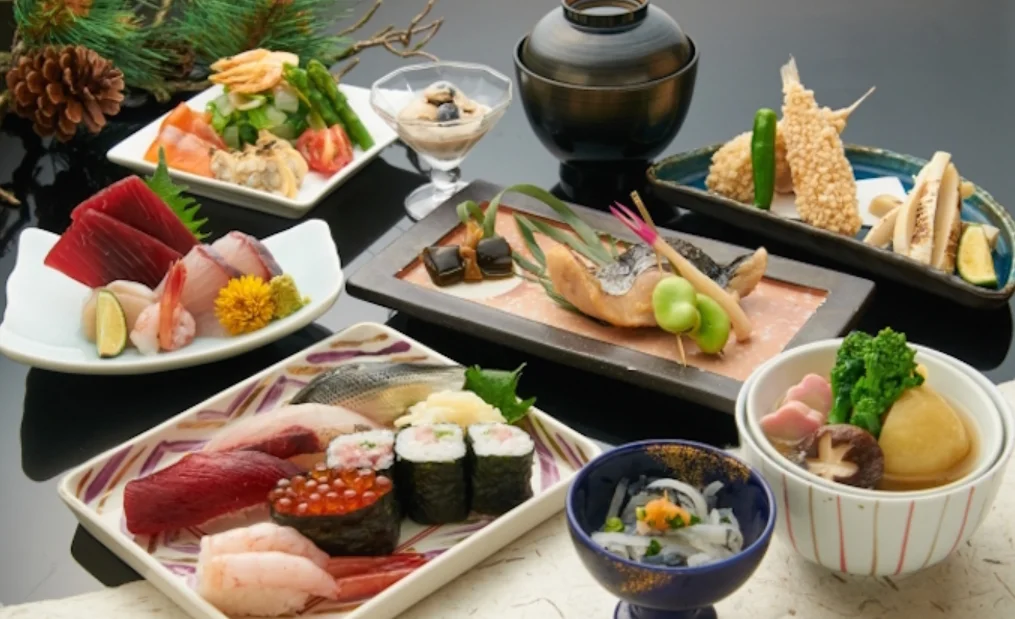
Tableware can communicate a sense of place and season.
Different materials and styles can be used depending on the type of food being served.
Ceramic dishes
Ceramics are widely used in Japanese dining.
They can range from simple handmade pieces to highly decorative tableware.
Variations in glaze, shape, and texture allow restaurants and cooks to select dishes that complement specific ingredients.
Lacquerware
Lacquerware is another important element of Japanese dining.
Dark lacquered bowls can create strong contrast with colorful ingredients, while traditional designs can add a sense of refinement.
Wooden and natural materials
Wood, bamboo, leaves, and woven materials can also appear in food presentation.
These materials reinforce the connection between food and nature, particularly when seasonal ingredients are being highlighted.
The Connection Between Nature and Food
Japanese food presentation frequently draws inspiration from the natural environment.
This can be seen through seasonal motifs, natural materials, flowers, leaves, and ingredient arrangements.
The goal is not necessarily to reproduce nature literally. Instead, presentation can suggest a particular season or atmosphere.
Bringing the season to the table
A meal served during autumn may incorporate autumnal colors or ingredients.
During spring, flowers or delicate seasonal motifs may appear.
These details can help diners recognize the time of year through the meal itself.
Natural imperfections
Not every piece of tableware needs to look perfectly uniform.
Handmade ceramics and naturally textured materials can introduce irregularities that give a meal a more organic character.
This can create a contrast with highly polished modern dining environments.
Seasonal Ingredients in Japanese Dining
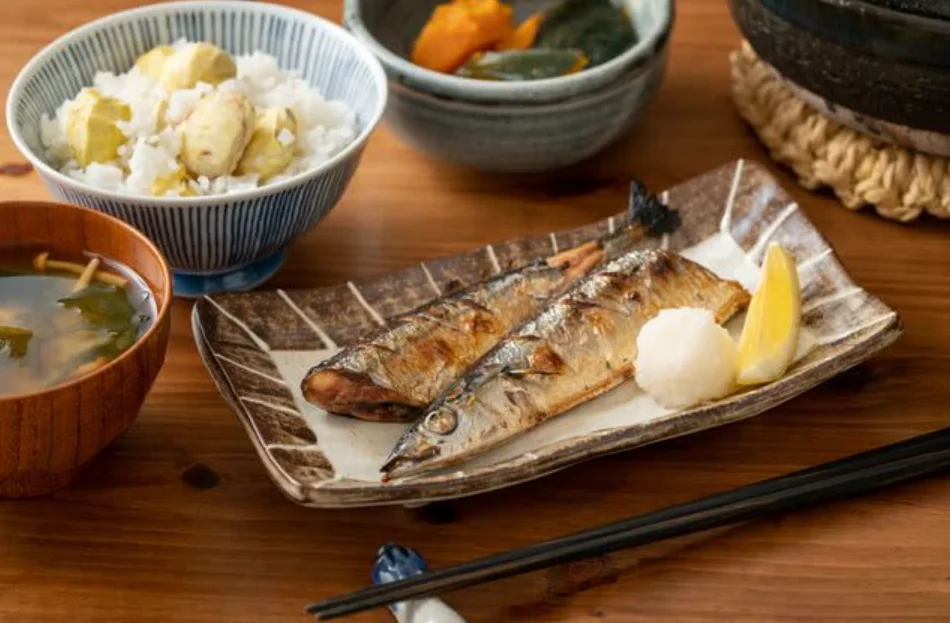
Seasonality also affects the ingredients themselves.
Rather than treating every ingredient as equally available throughout the year, Japanese cuisine often emphasizes products when they are at their seasonal best.
Fresh seafood
Seafood can vary significantly depending on the season and region.
Restaurants may adjust menus according to availability rather than relying on exactly the same ingredients throughout the year.
Seasonal vegetables
Vegetables also contribute to seasonal menus.
Spring vegetables, summer produce, autumn mushrooms, and winter root vegetables can each influence the character of a meal.
Seasonal desserts
Desserts can also reflect the season.
Fruit, tea, sweet bean preparations, and other ingredients may be incorporated into desserts that visually and conceptually match the time of year.
How Japanese Dining Creates a Sense of Place
Food presentation can also communicate where a meal comes from.
Regional ingredients, local tableware, and traditional preparation methods can create a dining experience that feels connected to a specific destination.
For travelers, this makes regional cuisine particularly interesting.
A meal in Hokkaido may emphasize seafood and local agricultural ingredients, while cuisine in another region may focus on completely different products.
This relationship between food and location is one reason culinary experiences can become an important part of travel.
From Traditional Meals to Contemporary Dining
Japanese food presentation is not limited to traditional cuisine.
Modern chefs continue to reinterpret presentation techniques while incorporating international influences.
Contemporary Japanese cuisine
Contemporary restaurants may combine Japanese ingredients with modern plating techniques.
The result can be highly visual while still retaining elements of traditional Japanese culinary philosophy.
Fine dining experiences
More refined dining environments often place additional attention on presentation, tableware, service, and seasonal menus.
Guests may receive multiple courses, with each dish designed to create a different visual and sensory experience.
For travelers interested in experiencing this style of cuisine, exploring fine dining in sapporo can provide an opportunity to see how Hokkaido ingredients are incorporated into sophisticated dining experiences.
Traditional influences remain
Even when presentation becomes modern, elements such as seasonality, balance, natural ingredients, and carefully selected tableware can remain central to the experience.
Understanding Japanese Cuisine Through the Seasons
One of the most interesting ways to experience Japanese cuisine is to visit during different seasons.
A restaurant may offer completely different ingredients and dishes depending on the time of year.
Why seasonal dining feels different
Seasonal changes create variety.
Travelers visiting Japan in spring may encounter dishes that are unavailable during winter, while autumn visitors may discover ingredients associated with harvest season.
This means that returning to the same destination at another time of year can provide a noticeably different culinary experience.
For broader travel information and inspiration about Japan, the Japan National Tourism Organization provides resources covering destinations, culture, food, and travel experiences.
Appreciating the Details During a Japanese Meal
International travelers do not need extensive knowledge of Japanese culinary traditions to appreciate food presentation.
Simply taking a moment to observe the meal before eating can reveal many details.
Look at the arrangement of ingredients, the tableware, the colors, and the relationship between different dishes.
Observe how the meal changes
In a multi-course meal, presentation can evolve from one course to the next.
The tableware may change, portions may vary, and different seasonal elements may appear.
These changes are part of the overall dining experience.
Focus on the ingredients
Presentation should not distract from the food itself.
In many Japanese dining experiences, the purpose of careful presentation is to highlight the ingredients rather than hide them.
This is particularly noticeable when high-quality seasonal products are served with relatively simple preparation.
Food Presentation in Regional Japan
Japan’s regional diversity means that food presentation can take many forms.
Local ingredients, traditions, and environments influence how meals are prepared and served.
Hokkaido
Hokkaido’s cuisine often highlights seafood, agricultural products, dairy ingredients, and seasonal produce.
Its regional identity can be reflected in both casual and refined dining.
Kyoto
Kyoto has a particularly strong association with traditional Japanese culinary aesthetics.
Seasonal ingredients, delicate presentation, and carefully selected tableware are often important parts of the dining experience.
Coastal regions
Coastal destinations may place greater emphasis on fresh seafood and simple preparations that allow the quality of the ingredients to remain prominent.
This demonstrates how local resources can influence both cuisine and presentation.
How Travelers Can Experience Seasonal Dining
Travelers can experience Japanese food presentation without planning an elaborate culinary itinerary.
Visit local restaurants
Choose restaurants that emphasize seasonal menus or regional ingredients.
Menus may change throughout the year, so ask what is currently in season.
Explore traditional dining
A traditional multi-course meal can provide a more complete introduction to Japanese culinary presentation.
Each course may demonstrate a different combination of ingredients, tableware, and seasonal elements.
Try regional specialties
Regional dishes provide another way to understand the relationship between food and place.
Trying local specialties during a trip can make the dining experience more connected to the destination.
Why Presentation Makes Japanese Dining Memorable
The visual aspect of Japanese cuisine can influence how travelers remember a meal.
A carefully arranged dish, seasonal ingredient, distinctive ceramic plate, or beautifully presented dessert can become part of the overall travel memory.
This is particularly true when presentation connects the meal to the location or season.
Instead of simply eating a dish, travelers can experience the meal as part of a broader cultural environment.
Final Thoughts
Japanese food presentation reflects a broader approach to dining in which ingredients, seasonality, tableware, nature, and visual balance work together.
The appearance of a meal can communicate the season, highlight the characteristics of an ingredient, and create a stronger connection between food and place.
For travelers, paying attention to these details can make Japanese dining more rewarding.
Whether enjoying a casual regional dish or experiencing an elaborate multi-course meal, the presentation can provide another perspective on Japanese culinary traditions.
The next time you sit down for a meal in Japan, take a moment before eating to observe the colors, arrangement, tableware, and seasonal ingredients. These small details can reveal an important part of the culture behind the food.
Frequently Asked Questions
Why is food presentation important in Japanese cuisine?
Food presentation helps highlight ingredients, seasonality, colors, textures, and the overall atmosphere of a meal. It is considered an important part of the dining experience.
What is seasonal dining in Japan?
Seasonal dining focuses on ingredients and dishes that are particularly appropriate or available during a specific time of year. Presentation can also change to reflect the season.
What role does tableware play in Japanese cuisine?
Tableware can complement the food through its shape, color, texture, and material. Different dishes may be selected to emphasize particular ingredients or seasonal themes.
Does Japanese food presentation only apply to fine dining?
No. Presentation is relevant across many types of Japanese cuisine. The level of detail may vary between casual restaurants, traditional establishments, and more refined dining experiences.
How can travelers experience seasonal Japanese cuisine?
Travelers can look for restaurants offering seasonal menus, ask about local ingredients, visit during different times of year, and try regional specialties associated with the destination.